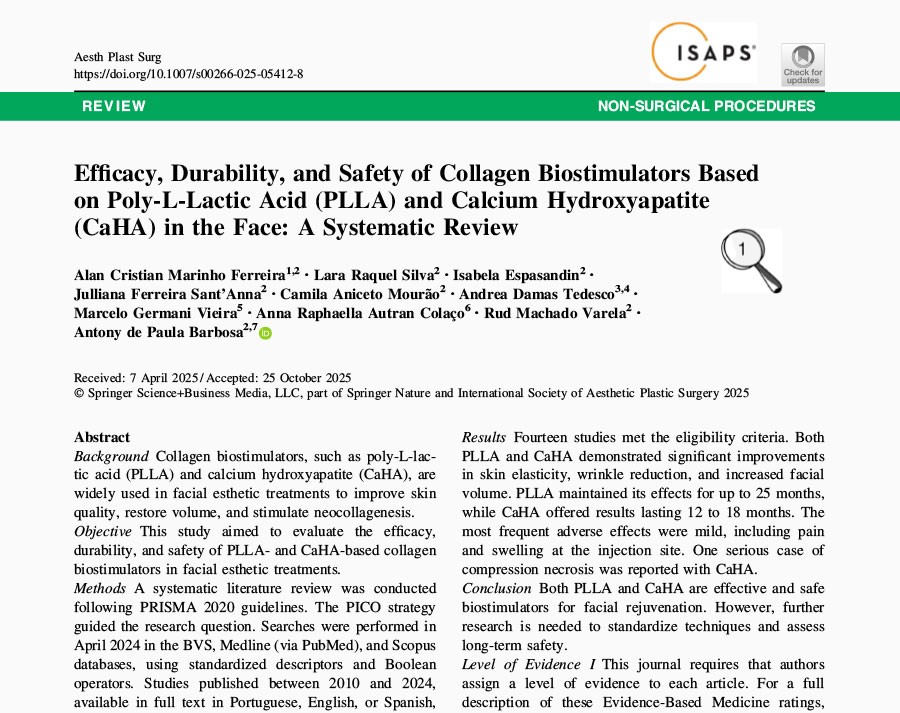
Efficacy, Durability, and Safety of Collagen Biostimulators Based on Poly-L-Lactic Acid (PLLA) and Calcium Hydroxyapatite (CaHA) in the Face: A Systematic Review
Collagen biostimulators, such as poly-L-lactic acid (PLLA) and calcium hydroxyapatite (CaHA), are widely used in facial esthetic treatments to improve skin quality, restore volume, and stimulate neocollagenesis.
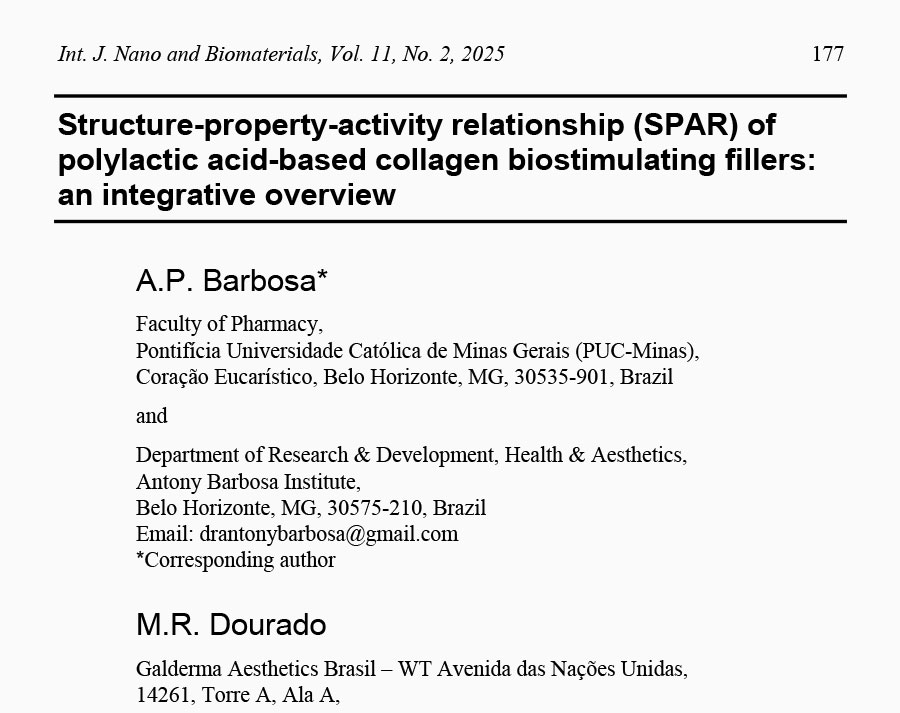
Structure-property-activity relationship (SPAR) of polylactic acid-based collagen biostimulating fillers: an integrative overview
Biocompatible polymers like polylactic acid (PLA) play a prominent role in biomedical applications due to their ability to stimulate collagen production via foreign body reactions (FBR). PLA is recognised for its synthesis from renewable, non-toxic sources and biodegradation into bioabsorbable lactic acid. This review explores the three main PLA isomers – poly-L-lactic acid (PLLA), poly-D-lactic acid (PDLA), and meso poly-D, L-lactic acid (PDLLA) – highlighting their distinct physicochemical properties, such as pH, charge, hydrophilicity, particle size, shape, and surface texture, which are crucial in initiating subclinical inflammation and activating fibroblasts for collagen production. Specifically, PLLA demonstrates superior collagen-stimulating potential with minimal inflammation, while PDLA and PDLLA exhibit variable inflammatory responses and collagen regeneration capacities. By evaluating structure-property-activity relationships (SPAR) among PLA variants, this review provides insights into optimising PLA-based biomaterials for enhanced collagen stimulation, guiding their application in regenerative medicine and aesthetic procedures.
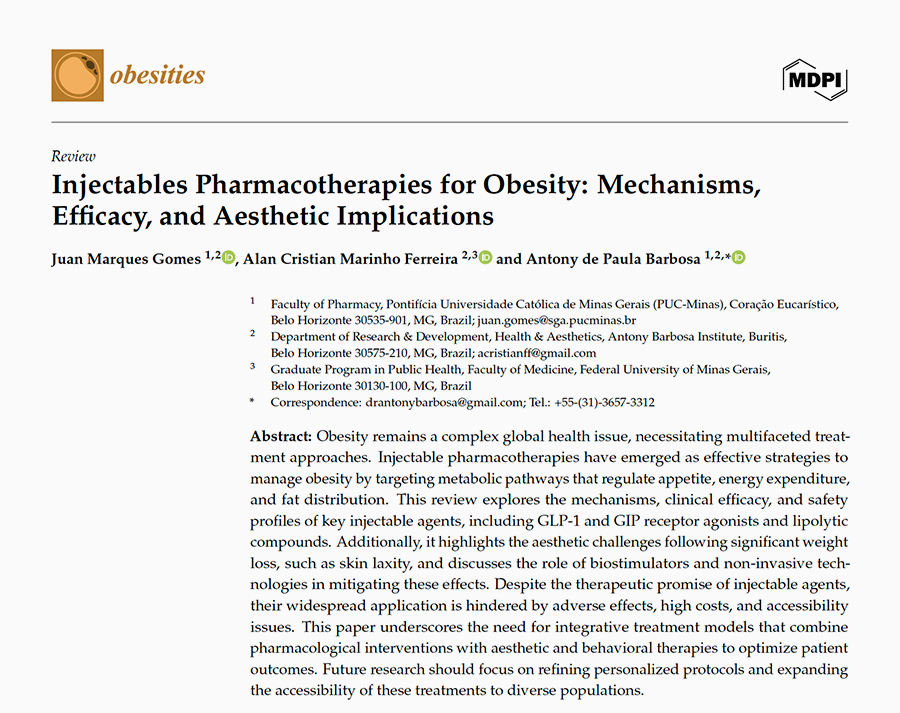
Injectables Pharmacotherapies for Obesity: Mechanisms, Efficacy, and Aesthetic Implications
Obesity remains a complex global health issue, necessitating multifaceted treatment approaches. Injectable pharmacotherapies have emerged as effective strategies to manage obesity by targeting metabolic pathways that regulate appetite, energy expenditure, and fat distribution. This review explores the mechanisms, clinical efficacy, and safety profiles of key injectable agents, including GLP-1 and GIP receptor agonists and lipolytic compounds. Additionally, it highlights the aesthetic challenges following significant weight loss, such as skin laxity, and discusses the role of biostimulators and non-invasive technologies in mitigating these effects. Despite the therapeutic promise of injectable agents, their widespread application is hindered by adverse effects, high costs, and accessibility issues. This paper underscores the need for integrative treatment models that combine pharmacological interventions with aesthetic and behavioral therapies to optimize patient outcomes. Future research should focus on refining personalized protocols and expanding the accessibility of these treatments to diverse populations.
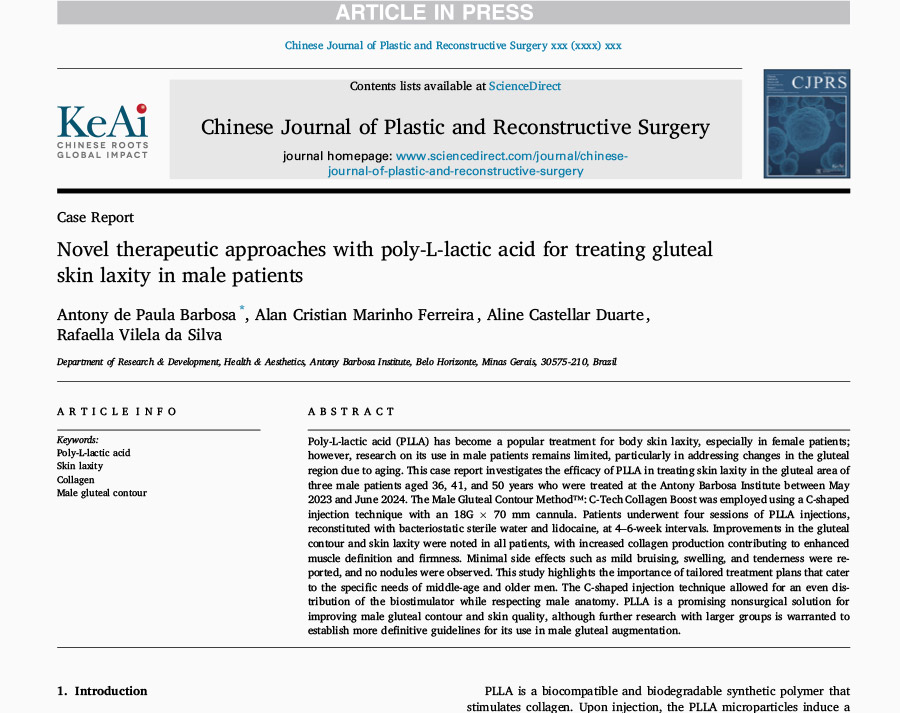
Novel therapeutic approaches with poly-L-lactic acid for treating gluteal skin laxity in male patients
Poly-L-lactic acid (PLLA) has become a popular treatment for body skin laxity, especially in female patients; however, research on its use in male patients remains limited, particularly in addressing changes in the gluteal region due to aging. This case report investigates the efficacy of PLLA in treating skin laxity in the gluteal area of three male patients aged 36, 41, and 50 years who were treated at the Antony Barbosa Institute between May 2023 and June 2024. The Male Gluteal Contour Method™: C-Tech Collagen Boost was employed using a C-shaped injection technique with an 18G × 70 mm cannula. Patients underwent four sessions of PLLA injections, reconstituted with bacteriostatic sterile water and lidocaine, at 4–6-week intervals. Improvements in the gluteal contour and skin laxity were noted in all patients, with increased collagen production contributing to enhanced muscle definition and firmness. Minimal side effects such as mild bruising, swelling, and tenderness were reported, and no nodules were observed. This study highlights the importance of tailored treatment plans that cater to the specific needs of middle-age and older men. The C-shaped injection technique allowed for an even distribution of the biostimulator while respecting male anatomy. PLLA is a promising nonsurgical solution for improving male gluteal contour and skin quality, although further research with larger groups is warranted to establish more definitive guidelines for its use in male gluteal augmentation.
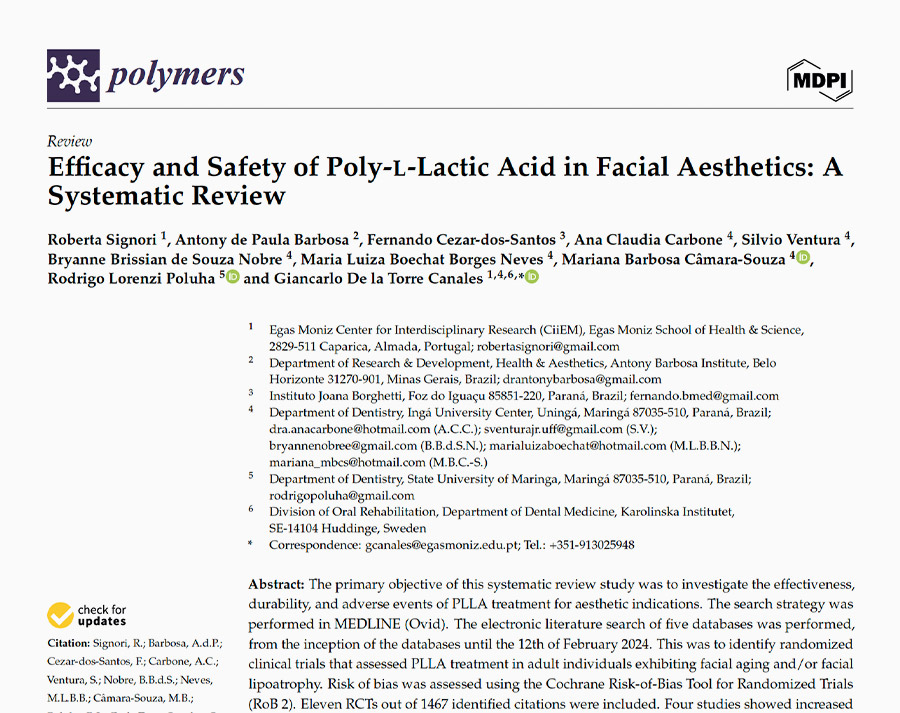
Efficacy and Safety of Poly-l-Lactic Acid in Facial Aesthetics: A Systematic Review
The primary objective of this systematic review study was to investigate the effectiveness, durability, and adverse events of PLLA treatment for aesthetic indications. The search strategy was performed in MEDLINE (Ovid). The electronic literature search of five databases was performed, from the inception of the databases until the 12th of February 2024. This was to identify randomized clinical trials that assessed PLLA treatment in adult individuals exhibiting facial aging and/or facial lipoatrophy. Risk of bias was assessed using the Cochrane Risk-of-Bias Tool for Randomized Trials (RoB 2). Eleven RCTs out of 1467 identified citations were included. Four studies showed increased dermal thickness, significant improvement in facial lipoatrophy severity and aesthetic clinical scores, after PLLA treatment with its effects sustained for at least 25 months. Two studies demonstrated the superiority of PLLA over injectable human collagen. Also, three studies showed positive results favoring PLLA when compared with PH gel in lipoatrophy severity, transepidermal water loss, skin quality, elasticity, and patient satisfaction. All adverse events were mild-to-moderate in intensity, and the main ones worth noting were bruising, hematoma, tenderness, nodules, and edema. Five out of eleven studies were considered having high risk of bias. The evidence on the effectiveness and safety of PLLA for facial rejuvenation is of low quality; thus, the reported high effectiveness, safety, and long-lasting effects for this purpose should be further investigated.
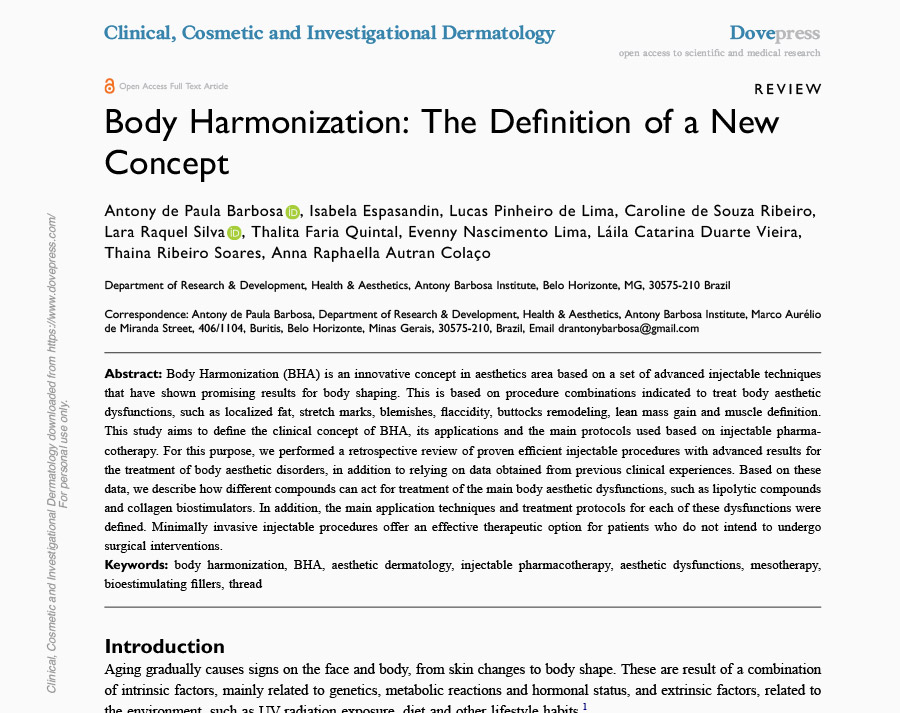
Body Harmonization: The Definition of a New Concept
Body Harmonization (BHA) is an innovative concept in aesthetics area based on a set of advanced injectable techniques that have shown promising results for body shaping. This is based on procedure combinations indicated to treat body aesthetic dysfunctions, such as localized fat, stretch marks, blemishes, flaccidity, buttocks remodeling, lean mass gain and muscle definition. This study aims to define the clinical concept of BHA, its applications and the main protocols used based on injectable pharmacotherapy. For this purpose, we performed a retrospective review of proven efficient injectable procedures with advanced results for the treatment of body aesthetic disorders, in addition to relying on data obtained from previous clinical experiences. Based on these data, we describe how different compounds can act for treatment of the main body aesthetic dysfunctions, such as lipolytic compounds and collagen biostimulators. In addition, the main application techniques and treatment protocols for each of these dysfunctions were defined. Minimally invasive injectable procedures offer an effective therapeutic option for patients who do not intend to undergo surgical interventions.